This year IOB partnered with SABER to publish biological education papers along with our usual IOB works.
Be sure to check out their latest publications with us and read about some of the SABER associate editors on this collection below.
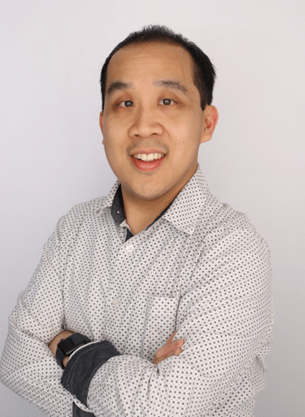
Jeremy Hsu, Associate Professor of Biology and Assistant Director for Undergraduate Research and Creative Activities, Chapman University
My Ph.D. involved examining the population genetics of the tuco-tuco, a rodent from South America. I am currently an associate professor of biology at Chapman University, where I lead the Chapman Biology Education Research group and serve as assistant director of undergraduate research and creative activities. I am excited for this partnership between SABER and SICB, which represents a natural synergy between my current role as a biology education researcher and my past graduate training as an evolutionary biologist. I have always been passionate about teaching evolution, and am so appreciative of all the education and outreach efforts that SICB and its members have taken to promote education related to integrative and organismal biology. Similarly, I have been continually impressed by the dedication of my colleagues in SABER in pursuing research to improve teaching and learning in biology, as well as their efforts to disseminate evidence-based practices. This partnership thus provides an ideal opportunity for us to advance the teaching of integrative and organismal biology through providing a platform to share insights, best practices, and education research.
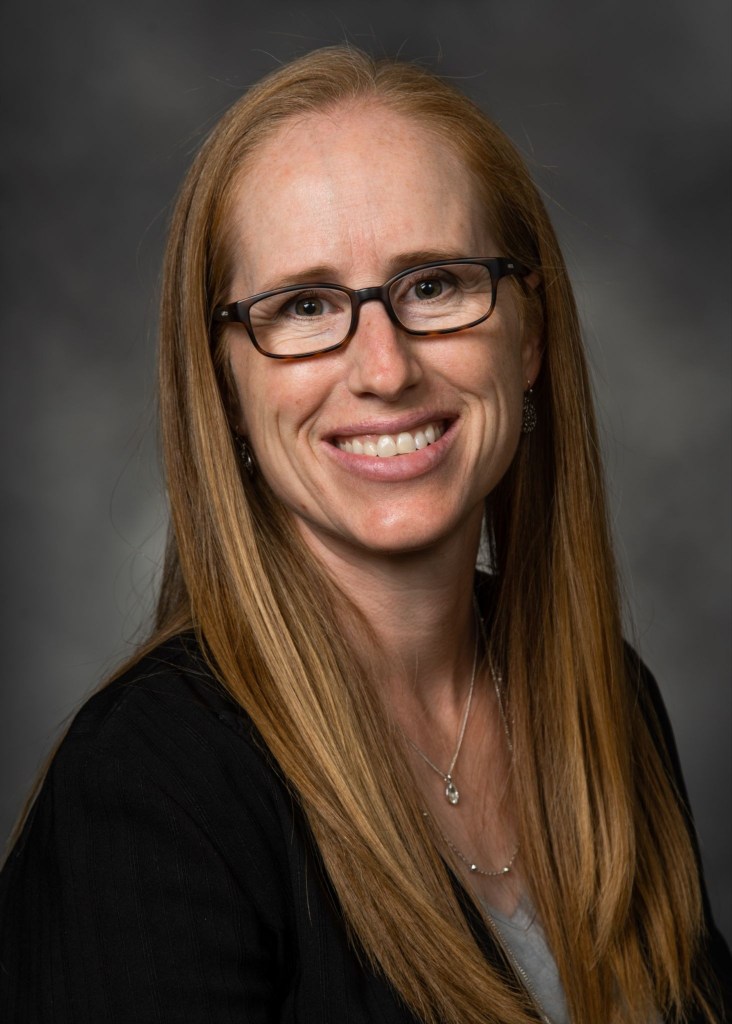
Jamie Jensen, Professor, Department of Preparatory Learning, Brigham Young University School of Medicine
I am a discipline-based education researcher (DBER) and instructor at Brigham Young University’s School of Medicine. My PhD is in biology education research, my MS is in developmental biology and molecular evolution, and my BS is in animal science. My research program focuses on the reconciliation of culturally-controversial scientific topics with worldviews, with special emphasis in reconciling evolution with religious faith. I also work on vaccine and climate change hesitancy with religious and political ideologies. I am the current President of the Society for the Advancement of Biology Education Research (SABER). I belong to SABER because it is the premier organization advancing the field of biology education research. We promote hypothesis-driven, theoretically sound, and data-focused research into the most effective ways to teach biology. This collaboration with Integrative and Organismal Biology is an important way to bring together like-minded scholars who can contextualize organismal biology within the framework of evidence-based teaching practices. I am excited to see the excellent scholarship that will come from this collaboration. I hope that collaborations such as these will continue to bring disciplinary scholars and pedagogical researchers together to advance our understanding of biology teaching.
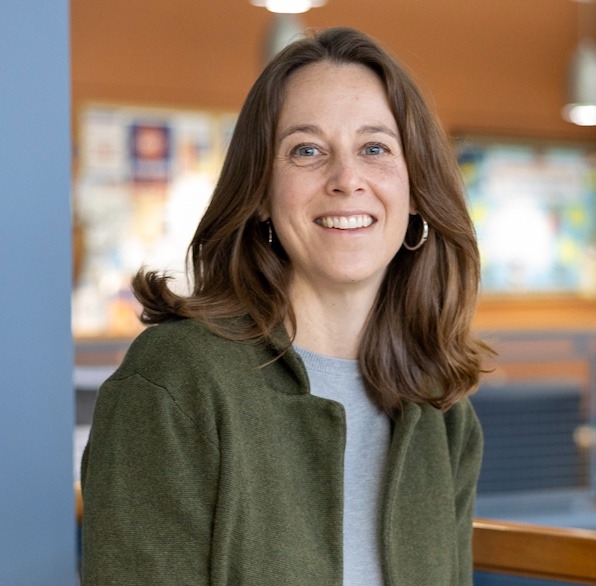
Tess Killpack, Associate Professor of Biology, Salem State University
My doctoral work at the University of Wisconsin examined the impacts of ecologically-relevant food restriction on growth, digestive physiology, and immune function in songbird nestlings. I looked forward to attending the SICB meeting every year to share my Ph.D. research and to learn about advances in integrative and organismal biology. I am now a biology professor at Salem State University in Salem, MA, where I love teaching introductory biology lectures and labs. My research currently focuses on how to create inclusive classroom and lab environments and how to use equity-focused approaches to redesign courses that enhance student learning and self-confidence in doing science. As a member of SABER, I have found a welcoming community where I can gain insights into advances in evidence-based teaching and also develop and hone my education research skills. This journal collaboration between IOB and SABER will provide a fantastic new avenue for biology educators to not only share their research, but to showcase their practical teaching strategies and curriculum innovations that can be adopted by fellow educators who teach about organismal biology!

