by Katrina Pinili, 5th year Ph.D. candidate, Gibbs Lab, University of Nevada, Las Vegas

Tucker Heptinstall is a PhD student and herpetologist at San Diego State University with a recent master’s degree in biology from Clemson University in South Carolina. He’s always loved snakes since he was a child and never lost interest in them as he grew up. Tucker studied North American Gartersnakes and how their venom displays variation in toxin expression for his master’s thesis. His work is described in the paper, Dietary breadth predicts toxin expression complexity in the venoms of North American Gartersnakes, just published this past February.
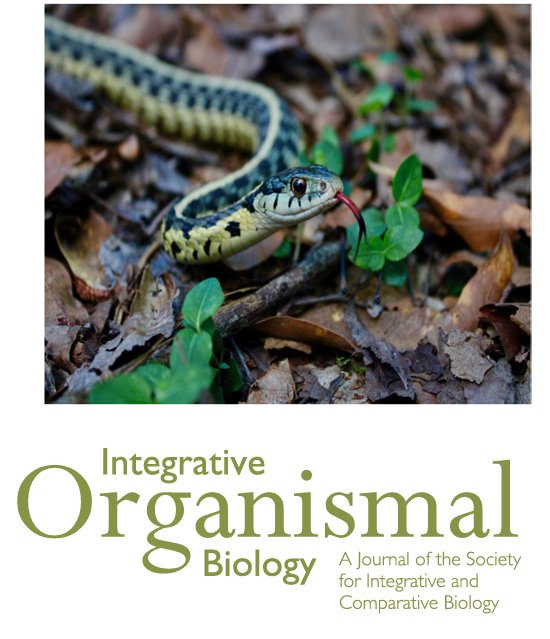
His model of interest is the gartersnake, which is a widespread snake species commonly found all across North America. Tucker is our second SICB summer zoom talk session, and the online audience was ready to hear all about snakes and their miraculous, everchanging venom.
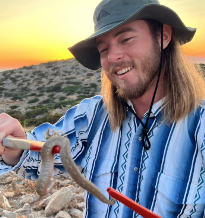
Venom is essentially a mix of proteins that ultimately aid in prey capture for many snakes, driving forth the snake’s fitness and survival in nature. Interestingly, there are 2 main groups of venom: one that attacks the nervous system, and one that attacks the muscular and circulatory system. Because of the venom’s effects on living organisms, there’s no wonder they rely on this superpower to catch potential prey.

Venom is something we can see, but there’s more than meets the eye that affects toxin expression in venom: genetics. Toxin expression, specifically the genes that produce the machinery for such proteins, affects the role of venom — it’s like a recipe for a dish. But how has venom been changing across generations? This is the focus of Tucker’s thesis work.
Because many species of snakes exist along with differing diets, venom complexity varies among snakes which can also change over time. For example, a snake can have a very broad diet which could result in a complex venom composition, i.e. different venom gene families. Additionally, venom can even differ within the same snake species. So how exactly is venom changing within gartersnakes and how did Tucker do it?
In order to see how gene families of toxins were changing in venom over time, transcriptomics was performed which is essentially obtaining all of the RNA transcripts produced by an organism or tissue. In this case, the venom gland was extracted from various gartersnakes and RNA sequencing was performed. With his team, he found that across different species of gartersnakes diet influences venom toxin gene expression, but not transcriptomes (i.e. its genetic makeup). This means that the expression of these toxins in gartersnakes, specifically non-front-fanged snakes, is directly influenced and altered over time by how these snakes eat. This finding leads to the idea of how different snake species can possess venom composed of different proteins based on their environment and resources available. An interesting thought is are snakes able to adjust their diets in order to drive fitness and survival for future generations, or is this already occurring?
Tucker gave us a sneak peek on what he’s been working on at San Diego State University for his dissertation work: snakes and their impact on urbanization in cities, one such project being on how well snakes can camouflage themselves in urban environments.
If you’d like to follow his journey through his PhD, follow him on his socials!
https://tuckerheptinstall.weebly.com/
https://www.instagram.com/hippieherper/?hl=en
https://twitter.com/hippieherper?lang=en
& watch Tucker’s YouTube talk


Linkedin: https://www.linkedin.com/in/katrina-pinili-02797a187/
 Integrative Organismal Biology